
If you want to personalise a mug with photos, logos or bold artwork, a white mug is the best blank to start with. Sublimation inks are translucent, so they rely on a white background to show their true colours. On a white sublimation mug your design comes out bright, sharp and exactly as you saw it on screen, with nothing in the surface dulling or tinting the print. Below we explain why that matters, what separates a good white mug from a poor one, and how to pick the right size and material for what you're making.
Why a White Mug Gives the Brightest Sublimation Prints
Dye sublimation works by turning ink into a gas under heat and pressure, which then bonds with the polyester coating on the mug. Unlike vinyl or opaque paint, sublimation ink has no white in it and can't cover a coloured surface. Whatever colour sits underneath shows through the print.
That's why white is the natural choice:
- True colour reproduction – reds stay red, skin tones look natural and pastels don't disappear.
- Full-colour photos – detailed images and gradients print cleanly because nothing competes with them.
- White areas stay white – any part of your design that is white simply shows the mug's surface, so you don't lose highlights.
- Design freedom – you can print anything from a single name to an edge-to-edge wrap without worrying about clashing with the mug colour.
Coloured mugs with a white print area, such as those with a coloured inner and handle, still give you that white panel to print on. But for maximum print space and versatility, a fully white mug is hard to beat.
What Makes a Good White Sublimation Mug?
Not all white mugs are equal. A cheap mug from a supermarket shelf won't take a sublimation print at all, because it lacks the special coating. When you're buying blanks to personalise, these are the things worth checking.
1. A proper sublimation coating
The polyester coating is what the ink bonds to. An even, consistent coating gives you a smooth, glossy finish and colours that stay put. A patchy coating can lead to faded areas or uneven results across the print.
2. Grade and finish
Mug blanks are often graded, and you'll see the term AAA used for higher-grade mugs. This generally refers to blanks selected for a smoother surface, fewer marks and a more consistent shape. If you're selling personalised mugs or giving them as gifts, a higher grade means fewer rejects and a more professional finish.
3. A true, clean white
A bright white body helps your colours pop. Mugs with a greyish or creamy tint can subtly shift the look of your design, particularly with skin tones and light colours.
4. Consistent shape
Sublimation mugs are pressed in a mug press or wrapped and heated, so a regular cylindrical shape helps the transfer paper sit flat against the surface. That even contact is key to avoiding blurry or ghosted edges.
Choosing the Right White Mug Size and Material
Once you know you want a white mug, the next decision is which one. Each option suits a slightly different purpose.
The classic 11oz white mug
The 11oz mug is the standard size for personalised mugs and the one most mug presses and templates are designed around. It's the everyday choice for gifts, business merchandise and photo mugs. Our 11oz White AAA Sublimation Mugs are a reliable go-to if you're printing regularly and want consistent results batch after batch.
The larger 15oz white mug
If you want more print area or a bigger brew, a 15oz mug is a popular step up. The taller body gives you extra room for longer text, wider photos or more detailed designs, and it's a favourite for anyone who likes a generous cup of tea. Take a look at our 15oz White Sublimation Mug if you want something with a bit more presence. Just check your press is compatible with the larger size before you buy.
Bone china for a premium gift
For special occasions, corporate gifts or a more refined feel, bone china mugs offer a lighter, finer finish than standard ceramic. They make personalised designs feel that little bit more upmarket. Our Balmoral Bone China Sublimation Mugs keep the bright white surface that sublimation needs while giving your finished piece a classic, elegant shape. Bone china can behave differently under heat compared with standard ceramic, so it's worth doing a test press and adjusting your settings if needed.
Tips for Getting the Best Print on a White Mug
A quality blank does a lot of the work, but a few good habits will help you get the best from every white mug you press:
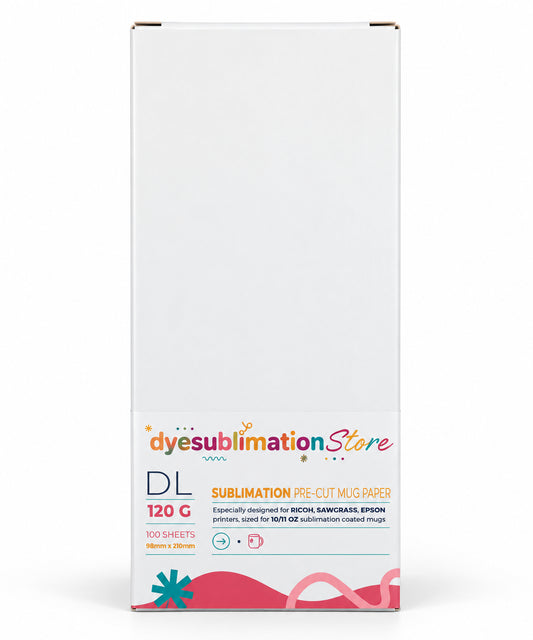
- Use proper sublimation paper. Paper designed for sublimation releases the ink efficiently. Pre-cut sheets such as our Sublimation Pre-Cut Mug Paper save time and help you line designs up neatly.
- Mirror your image. Sublimation transfers face-down, so text and logos need to be printed in reverse.
- Secure the transfer tightly. Use heat tape to stop the paper shifting, which can cause ghosting or blurred edges.
- Keep the mug clean. Fingerprints, dust or moisture on the coating can show up as marks on the finished print.
- Follow the recommended time and temperature. Settings vary between presses and mug types, so start with the guidance for your equipment and run a test mug when trying something new.
- Handle with care after pressing. Mugs come out very hot, so wear heat-resistant gloves and let them cool before removing the paper fully.
Is a White Mug Always the Right Choice?
For most personalisation jobs, yes. If your design is full-colour, photographic or relies on accurate colours, a white mug is the safest and most striking option. Coloured-handle or coloured-inner mugs can add a fun accent while still giving you a white print area, and they're great for matching team colours or themes. But when you want the cleanest canvas and the brightest results, plain white is the blank that sublimation was made for.
Find Your White Mug Blanks
Whether you're starting out with a mug press or stocking up for a busy season of orders, the right white mug makes all the difference to your finished product. Browse our range of white sublimation mugs, from the everyday 11oz AAA to larger 15oz mugs and premium bone china, alongside the paper and accessories you need to get pressing.
Tags:
Previous
What Is Sublimation? A Beginner's Guide to Printing on Blanks
Next
Transfer Paper Explained: Which Type Do You Need?
Related articles
-
Nov 16 2026
Slate Coasters: How to Make Personalised Photo Coasters
-
Nov 15 2026
How to Print Photos onto Slate at Home Without Ghosting

-
Nov 12 2026