
Sublimation is a printing method that uses heat to turn special ink into a gas, which bonds permanently with a polyester fabric or a polymer-coated surface. You print your design onto sublimation paper, place it on a suitable blank such as a coated mug or coaster, and apply heat and pressure. The ink transfers into the surface itself, not on top of it, so the finished print is vibrant and long-lasting and won't peel or crack like a vinyl transfer.
How Sublimation Works
The name comes from chemistry. Sublimation is when a solid turns straight into a gas without becoming a liquid first. Sublimation ink behaves this way when heated. The process follows a few simple steps:
- Print: Your design is printed onto sublimation paper using sublimation ink. It is usually printed as a mirror image, so it reads correctly once transferred.
- Position: The paper is placed face down on the blank and held in place with heat-resistant tape.
- Press: A heat press applies heat and pressure for a set time. The ink turns to gas and moves into the polyester or polymer coating.
- Cool: As the blank cools, the ink becomes solid again, now locked inside the surface.
Because the ink becomes part of the material, sublimation prints feel smooth to the touch. On fabric you can't feel the print at all, and on hard surfaces it sits beneath the gloss.
What Can You Sublimate On?
Sublimation only works on materials that can take the ink. That means two things:
- Polyester or high-polyester fabrics, or textiles made for sublimation, such as many tote bags, cushion covers and tea towels sold as sublimation blanks.
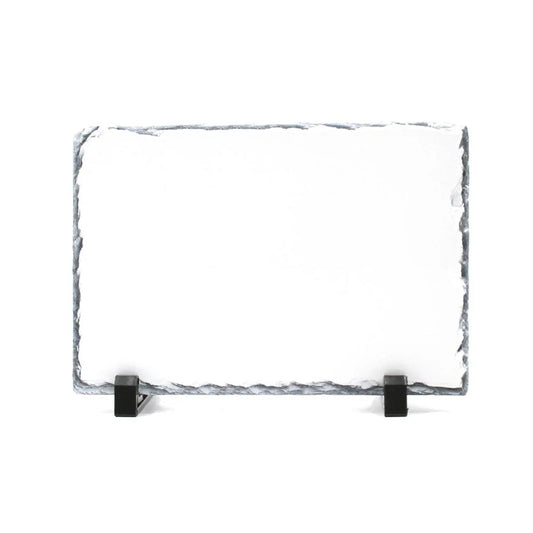
- Hard items with a sublimation coating, such as ceramic mugs, coasters, photo slates, chopping boards, metal tins and stainless steel tumblers made for sublimation.
Plain cotton, untreated glass or ordinary ceramics won't hold the ink, so always buy blanks sold specifically for sublimation.
Colour matters too. Sublimation ink is translucent, and there is no white ink, so it shows best on white or very light surfaces. Anything white in your design will simply show the colour of the blank. This is why most sublimation blanks are white in the print area, even when the handle, rim or inside is coloured.
Sublimation Equipment for Beginners
You don't need a workshop to get started, but you do need the right kit. Here is what a typical beginner setup includes.
A Sublimation Printer and Ink
You need a printer filled with sublimation ink. Some people buy printers designed for sublimation, while others convert a suitable inkjet printer. Once a printer has had sublimation ink in it, it should only be used for sublimation from then on.
Sublimation Paper
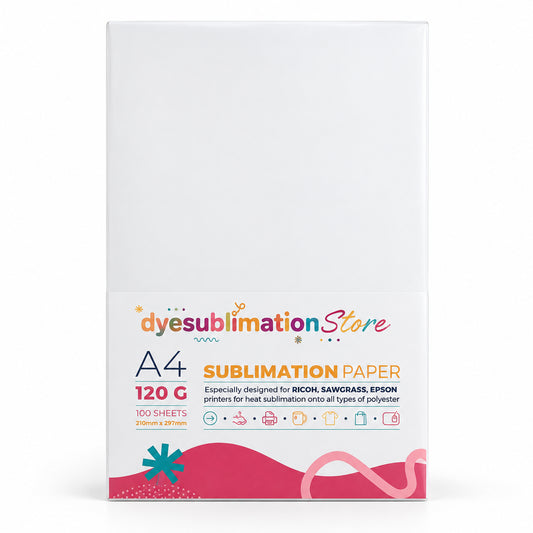
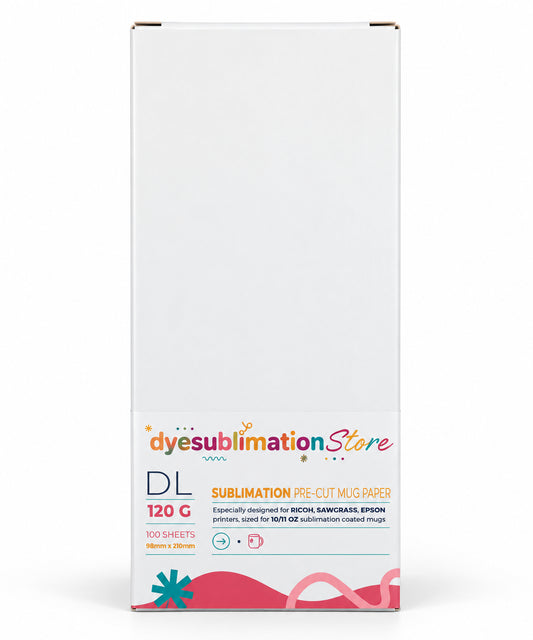
Sublimation paper is designed to hold the ink on its surface and then release it when heated. Ordinary printer paper absorbs too much ink and gives dull, patchy results. A pack of A4 sublimation paper covers most flat items, and pre-cut mug paper saves trimming if you mainly make mugs.
A Heat Press
Flat presses suit coasters, slates, textiles and other flat blanks. Mugs need a mug press or a press with a mug attachment, as the heat has to wrap around the curve. Some crafters use a combination press that swaps between attachments. Always follow the time and temperature recommended for your blank and paper.
Heat Tape
Heat-resistant tape stops your paper shifting during pressing. Even a small movement can cause blurred edges, known as ghosting. A roll of sublimation heat tape is one of the cheapest and most useful items you'll buy.
Protective Extras
- Heat-resistant gloves for handling hot mugs and blanks straight from the press.
- PTFE sheets to protect your press and stop stray ink transferring onto the platen.
- Lint roller or protective paper to keep fabrics clean and absorb excess ink.
The Best Sublimation Blanks to Start With
When you're learning, it helps to start with blanks that are forgiving and easy to press. Two favourites stand out.
White Mugs
Mugs are the classic sublimation project. They make popular gifts, and a white mug shows colours at their brightest. The 11oz White AAA Sublimation Mug is a standard size that fits most mug presses and pre-cut mug papers. Once you're confident, you can move on to mugs with coloured handles and insides, larger sizes, enamel mugs or tumblers.
Ceramic Coasters
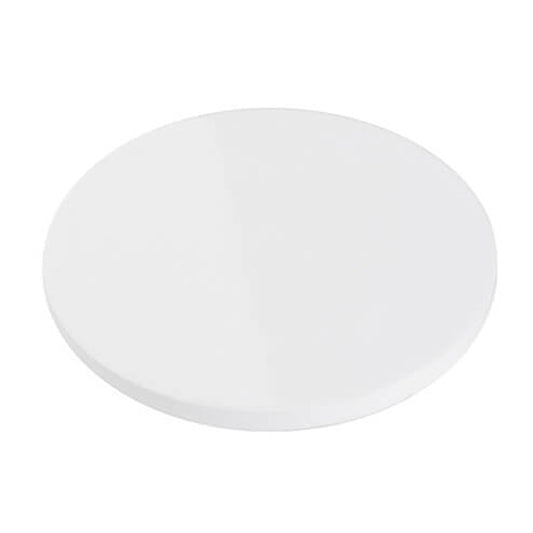
Coasters are flat, small and quick to press, which makes them ideal for practising alignment and testing designs. Square ceramic sublimation coasters are a sensible first flat project and work nicely as gift sets.
After mugs and coasters, many beginners move on to photo slates, chopping boards, tote bags, cushion covers and seasonal items such as Christmas decorations and stockings.
Common Sublimation Mistakes to Avoid
- Forgetting to mirror the image: text will come out backwards.
- Using the wrong side of the paper: print on the bright white coated side.
- Loose paper: tape it firmly to prevent ghosting.
- Wrong settings: too little heat gives faded prints, while too much can cause browning or bleeding. Test on a spare blank first.
- Uncoated items: if a blank isn't made for sublimation, the ink won't bond.
Is Sublimation Right for You?
Sublimation is a great choice if you want bright, full-colour, durable prints on mugs, coasters, textiles and gifts, whether for personal projects or a small business. Its main limits are that it needs polyester or coated blanks and works best on white or light surfaces. If those suit what you want to make, it's one of the most rewarding ways to personalise products.
Ready to give sublimation a try? Browse our range of mugs, coasters, sublimation paper, heat tape and other blanks at Dye Sublimation Store to put together everything you need for your first projects.
Tags:
Related articles
-
Nov 16 2026
Slate Coasters: How to Make Personalised Photo Coasters
-
Nov 15 2026
How to Print Photos onto Slate at Home Without Ghosting

-
Nov 12 2026